We use some cookies to make this website work. With your permission we would also like to use cookies that help us understand how the website is used and measure our advertising. You can accept or reject these, or choose which ones to allow.
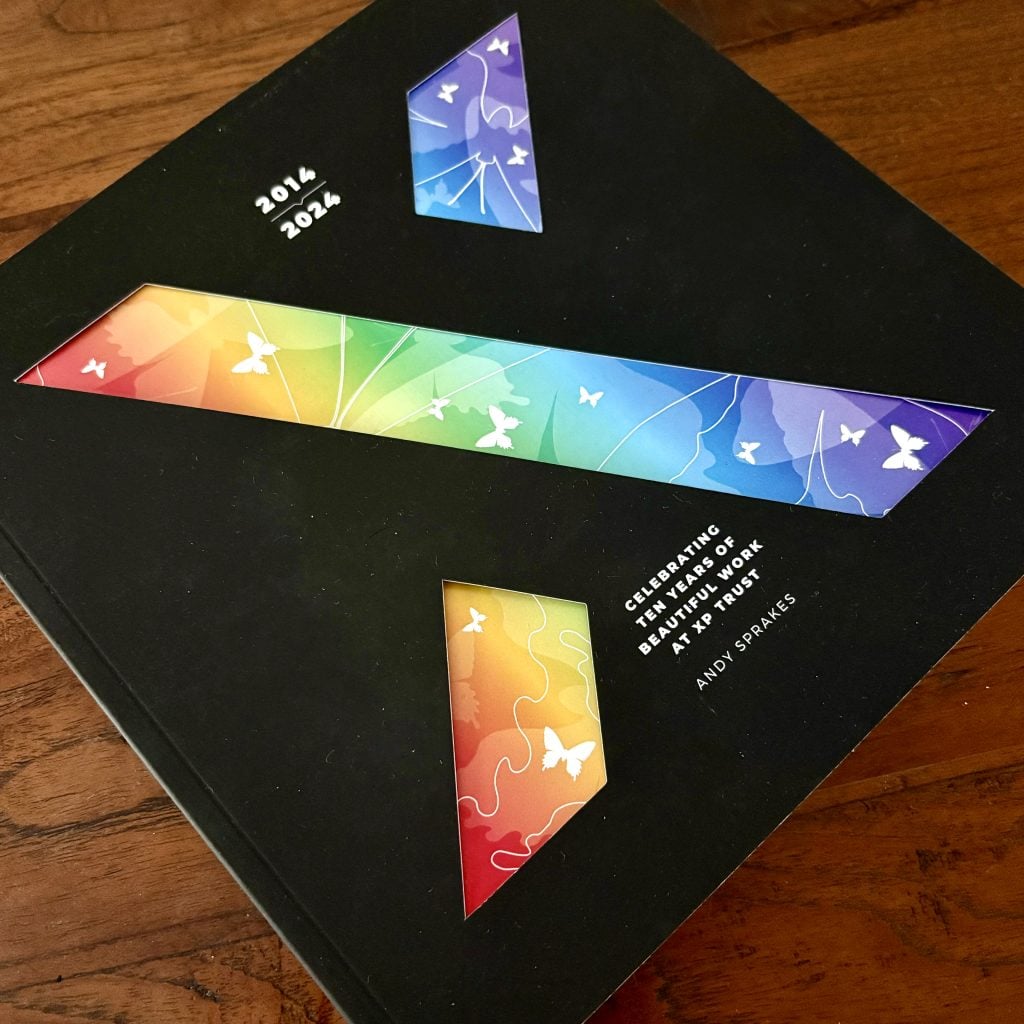
Announcing Our New Publication: ‘Celebrating Ten Years of Expeditions at XP’
A new publication, ‘Celebrating Ten Years of Learning Expeditions at XP’, written by our co-founder, Andy Sprakes, is now available. The book highlights an extensive and broad selection of the beautiful work created by our young people and staff from across our Trust. It is a profound and often moving reminder of the purpose, agency, and consequence of our work; illuminating the transformative power and far-reaching impact of Learning Expeditions.
In the next few weeks, the book will be made available to the general public and will retail at £20. However, to mark the publication of this much-anticipated book, it is being made available exclusively to staff across our Trust for a not-for-profit cost price of £5. In the spirit of Crew the proceeds will be donated to charity.
When staff fill in the google form and order the book at this price, they will be able to choose to donate to one of two local charities and one national charity that have supported and worked alongside us in the past.
We would like to extend our heartfelt gratitude and congratulations to the exceptional staff across our Trust whose unwavering dedication, creativity, and passion made this publication, and the transformative work within it, possible.
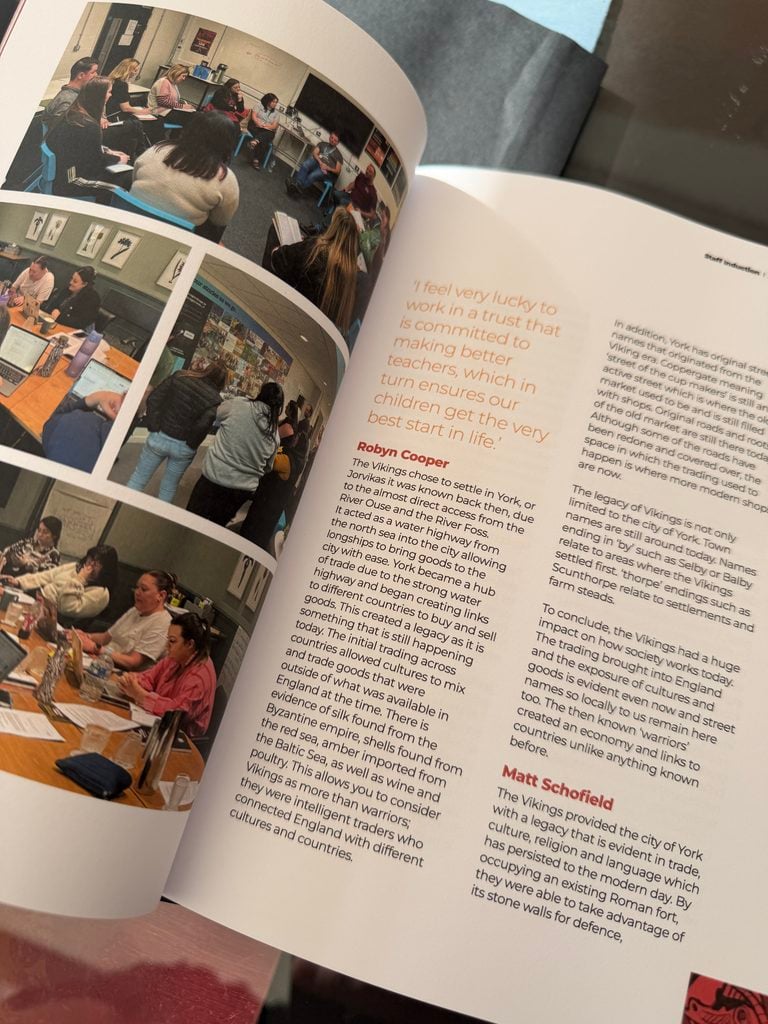
At XP Trust, staff induction is an immersive dive into the heart of our pedagogy and practice. During the Staff Expedition Slice Induction over the course of 2026, colleagues from across our Trust have embarked on a condensed “Expedition Slice” entitled ‘Raiders and Invaders’ which was designed to answer the Guiding Question: “What is the legacy of the Vikings in York?”.
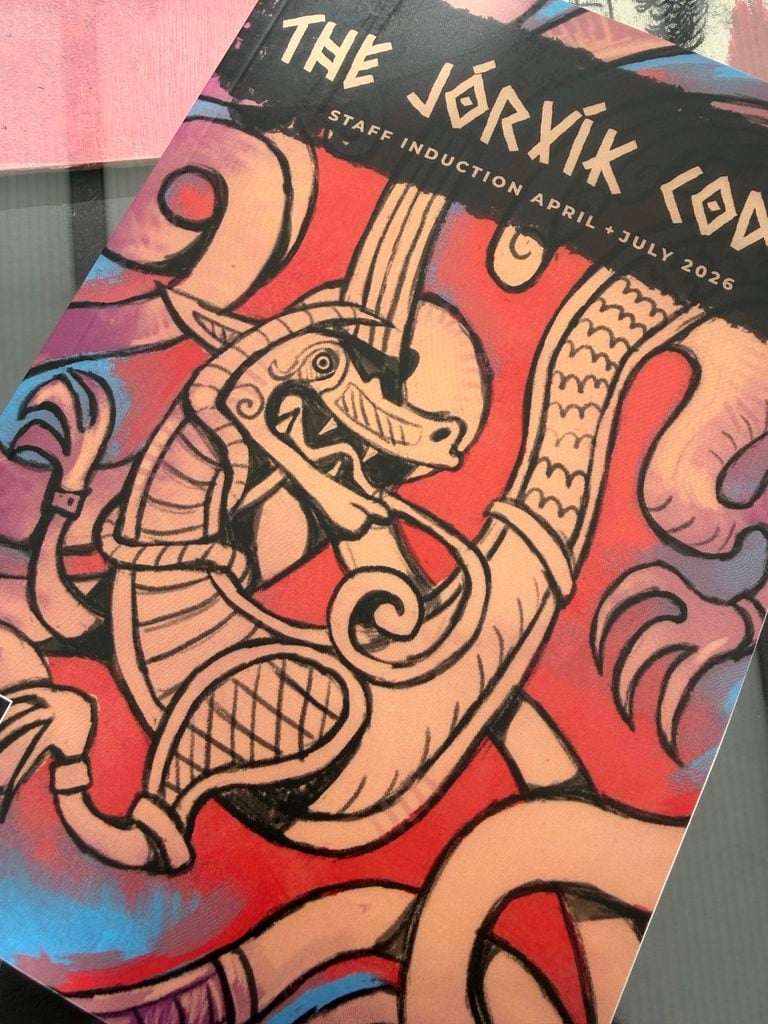
This beautiful book was designed by Grace Jones from our Trust Communications Crew
By taking on the role of learners as well as educators, staff engaged directly with the anatomy of a Learning Expedition and experienced and deconstructed the purpose of our Core Practices in relation to Expeditions and how imperative it is to consider them deeply when designing the curriculum.
The Expedition ‘slice’ launched with visits to XP Doncaster and Plover Primary, grounding participants in both school cultures and our shared Core Practices. Staff reflected on how Learning Expeditions function in both primary and secondary settings, capturing insights on anchor charts to guide their progress and understanding, build their background knowledge and to reinforce their learning.
We then travelled to York, debriefed our learning from the first day and readied ourselves to immerse ourselves into the Expedition. We did this through a ‘mystery piece’ to provoke and compel curiosity. After this, and just like the students we teach, our experience extended far beyond the classroom. We engaged in authentic fieldwork at the Jorvik Viking Centre and were absorbed by an expert-led session with Kevin Cockayne from The Dig museum, capturing critical evidence and widening our understanding of the historical impact of the Vikings settling in York.
“Immersion compels curiosity!”
Building on the fieldwork experience, in Case Study One, staff analysed historical sources, explored Viking expansion, and they considered the impact of the Danelaw. In Case Study Two, they tackled complex chemistry, exploring atomic structures, metallic bonding, and how Viking blacksmiths created steel alloys and corrosion-resistant metals. Learning was anchored by rigorous and challenging texts such as extracts from the ‘Prose Edda’ as well as specialised scientific research papers supported by clear rubrics to structure high level analytical writing.
As one member of our Staff Crew reflected:
“I struggled at first with the Science Case Study, this being totally out of my skill set. It made me realise how some of my children feel every day.”
Experiencing challenging material outside of personal comfort zones reminded staff of the cognitive struggles that our students face daily. It highlighted the critical need for scaffolding, expert guidance, and a supportive culture of Crew to ensure that we were all successful.
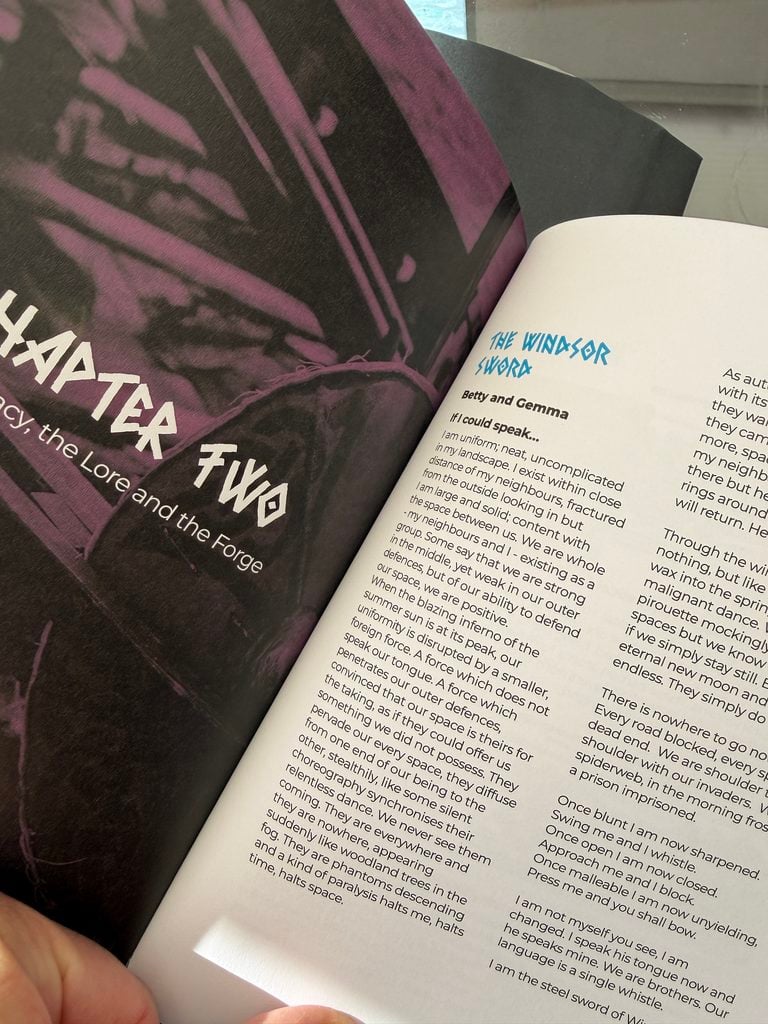
The culmination of this expedition slice provided clear proof of what happens when learners are empowered to produce authentic, high-quality work. Working in pairs, staff created entries for a publication entitled ‘The Jorvik Codex,’ extracts of which will be subsequently published in the upcoming XP Unpacked magazine to share with educators globally.
By connecting purposeful fieldwork, rigorous academic disciplines, and creative expression, staff experienced firsthand how an authentic audience and high expectations drive students to create truly beautiful work.
Another reflection from the book articulates the power of the work we do with candour:
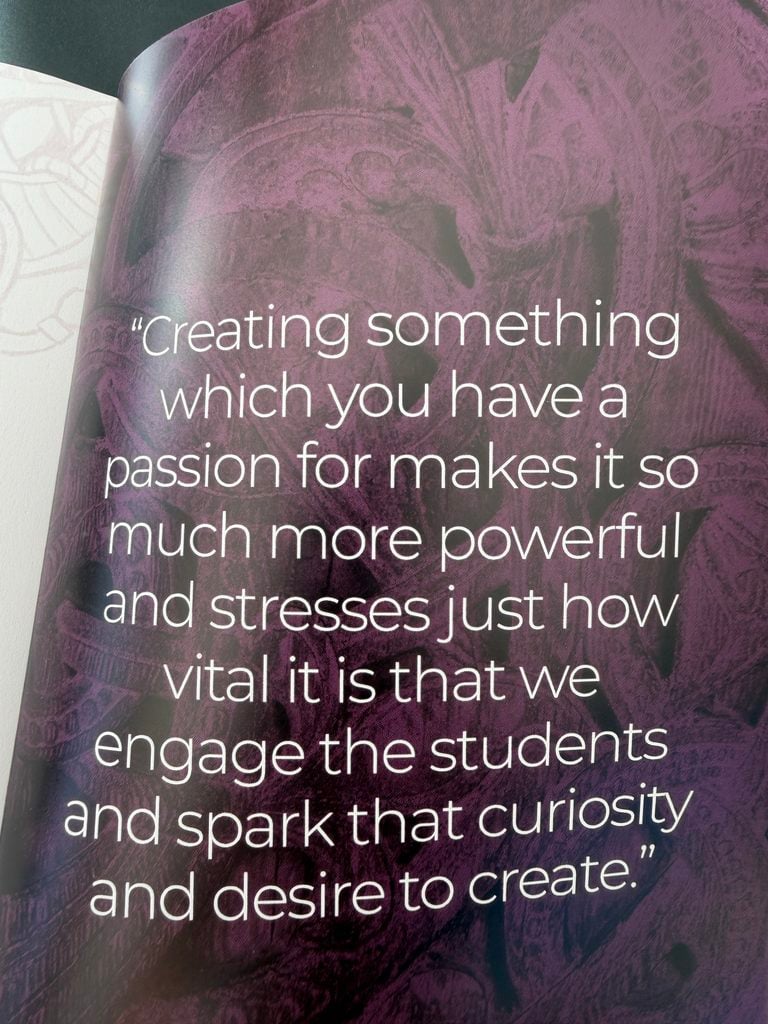
“Creating something which you have a passion for makes it so much more powerful and stresses just how vital it is that we engage the students and spark that curiosity and desire to create.”
And I’m sure you’ll agree they have created beautiful work of their own that they should be proud of!!
Help the Next Generation to the Top of the Mountain!
You know firsthand that at XP, success isn’t just about reaching the summit yourself; it’s about making sure your whole Crew gets there with you.
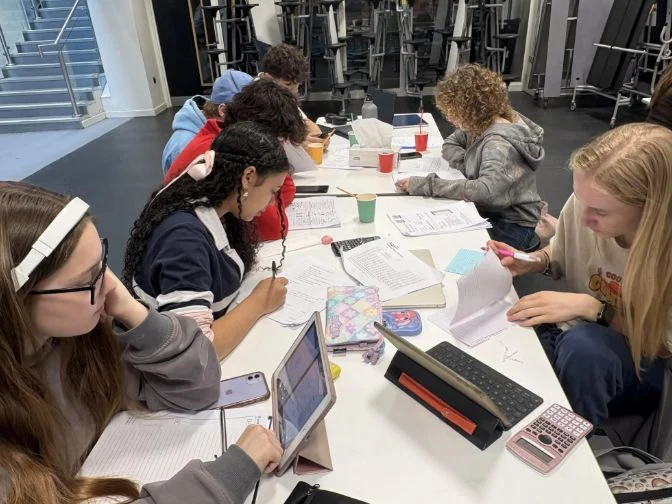
We are currently looking for our alumni to come back and be that guiding hand for our current Year 11s by taking on the role of a D6 Learning Coach. As you know, D6 is our Saturday morning programme, running from 9:00am to 12:00pm, designed to empower students to lead their own learning. This is a unique chance to step up, show your compassion, and take the current generation to the next step.
Here is what the role involves:
The Mission: Explain to and coach students with the aim of improving academic understanding and performance.
The Approach: Facilitate and encourage students to work together and talk openly about their understanding to deepen or extend their knowledge in specific subject areas. You would support and challenge them to lead their own learning.
Your Expertise: We are looking for alumni with a strong grasp of English, Maths, and Science.
The Commitment: Three hours of work a week (9:00am to 12:00pm) for 20 weeks of the year, term time only. A full list of available dates will be provided, with sessions starting in early October.
The Reward: Earn £10 per hour (adjustable in accordance with minimum wage) while giving back to your community.
You won’t be climbing without ropes. We will provide a dedicated coaching session on how the role works so you feel fully equipped to support our young people. Ultimately, we’d like our students at XP to become leaders in their own learning and we’d like our new student coaches to become key in supporting this process.
This is an internal advert – currently only open to existing and former XP Doncaster students only.
What was the most impactful moment of support you received from your Crew during your own GCSEs, and how could you pass that exact feeling on to our current Year 11s?
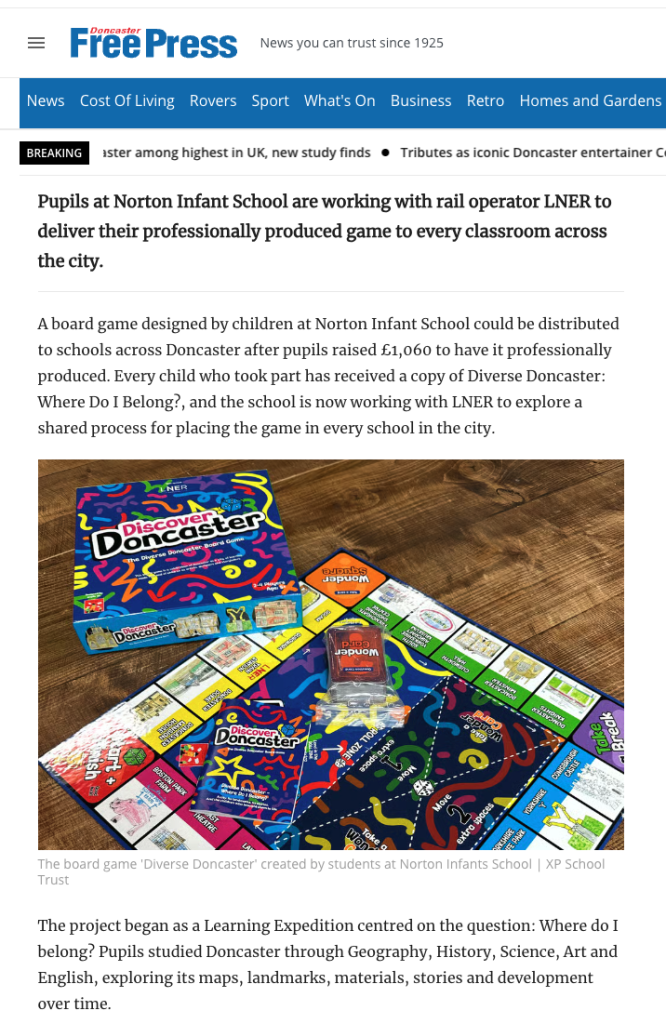
An article has been published in the Doncaster Free Press about the beautiful board game created by KS1 students at Norton Infants. You can read the full article here.
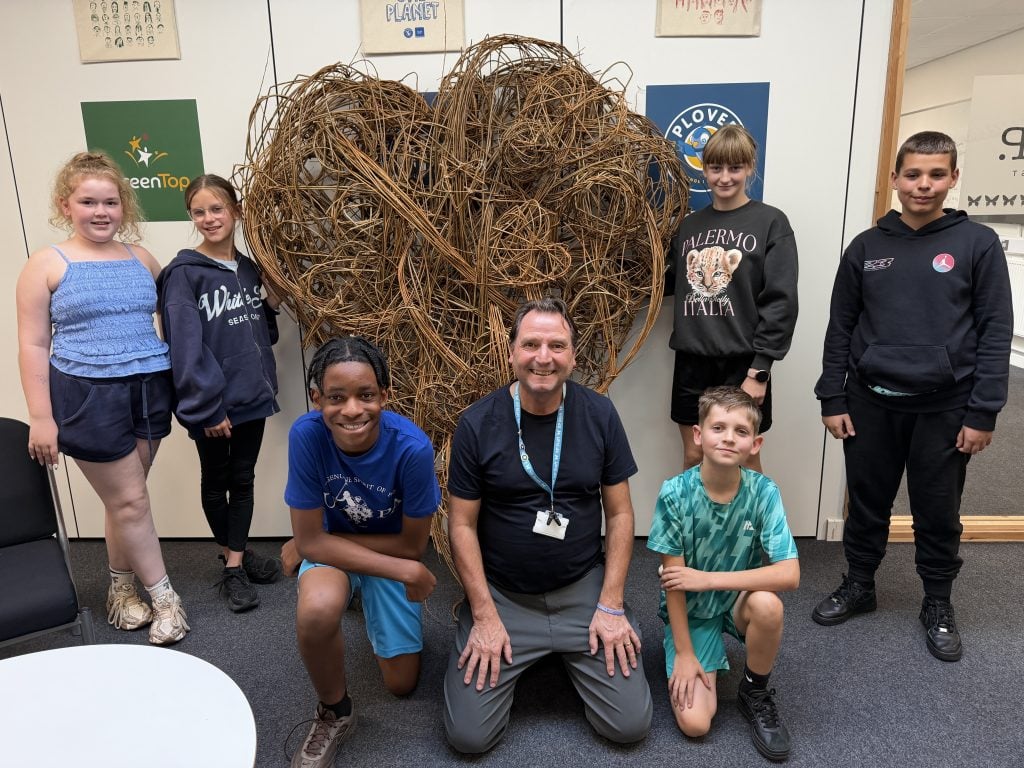
On a Tuesday afternoon in the third week of this term, I spent some time speaking to Year 8 students at XP East Cezar, Eifa, Jasmina, Karina, Noah and Tyrell who are in their third week of a new Learning Expedition entitled, Being Human. The Guiding Question for this current Learning Expedition is ‘What does it Mean to Be Human?’ and students are already well into Case Study One where they have linked studies across disciplines such as Science, Maths, Geography, RE and English. I’d heard that the students had already experienced fieldwork and working with experts and I wanted to get their views on the purpose and impact of this imperative aspect of Learning Expeditions.
Firstly I asked students to describe the fieldwork they had already engaged with as part of the Expedition. Noah eloquently described the visit to Danes Dyke on the North Yorkshire coast where they had searched for, found and examined fossils: “We went to a beach to crack open rocks and they had fossils in them. So we found, like, uh, shells, we found bones, which was quite interesting. We saw how things were preserved, and we were looking to see how they fossilised and how life kind of works which links to our Guiding Question.”
“We did go to Sandall Beat Wood on immersion and it was connected to our learning.”
Building on Noah’s comments, Eifa also talked about the more local fieldwork that they’d experienced as part of their ‘Immersion week’ at the start of the Expedition. “We did go to Sandall Beat Wood on immersion and it was connected to our learning. We worked in different groups throughout the day, and we had to go and search and find bugs and then classify them using. We did other activities too like map reading and service learning which were all about working together.”
Karina then spoke about how some of the group had been to a local care home to interview residents. It was really interesting how the students who had engaged in this fieldwork were clear how this strengthened and deepened their understanding of the Expedition. Karina explained: “We went there to meet elderly people, and to ask them questions, particularly what they thought it meant to be human? Obviously, we’re only eleven or twelve, so they know more about what the question means so we got really interesting answers. They are a lot older than us, so they’re a lot more experienced in life, so they had more stories, and they told us their experiences and their memories. So we got to learn quite a bit about their perspective on life.”
‘It connects you directly to the learning.”
After these initial responses I asked the students, “Why do you think fieldwork is such an important part of Learning Expeditions? Cezar started with this comment. “I think some students might like fieldwork more, because it suits how they learn, it is active. So instead of staring at a TV about how fossils were made, on fieldwork you go out and find them, investigate and experience them. It connects you directly to learning.”
Jasmina built on this by adding: “Fieldwork is fun, too.” Instead of passively learning about a subject, “we experience it and work together and properly feel the subject instead of just watching some guy on the internet do it.” It was interesting how students very quickly perceived how fieldwork lends itself to building community.
“We go out into the world and explore subjects and have real experiences. You bring the learning from fieldwork back into your Expedition at school.”
Tyrell added: “We go on fieldwork, because it also helps with the Expedition you’re doing and what you’re going to be learning about in the future back in school. We go out into the world and explore subjects and have real experiences. You bring the learning from fieldwork back into your Expedition at school.”
Noah developed the impact fieldwork has on engaging learners from a culturally engaging perspective, he said: “I feel like fieldwork gives you a great opportunity to work together, but also, sometimes students who aren’t as engaged during class, but when they’re doing something out and about, and experiencing it, they’re more engaged, and they have a grasp of the topic. They remember it more, have a better understanding then this helps them. If students have engaged with work during fieldwork they are more likely to be engaged in class and they’ll work harder to be a better version of themselves, I guess.”
“We’re about memory at XP. If you go out and do things, you remember them more, don’t you?”
Students clearly began to make the link between our dimension of character growth and the impact this has on learning and culture. They spoke eloquently about the purpose of fieldwork, deconstructing how its impact is heightened when brought back into the classroom to spark engagement. Noah also landed on a crucial and fundamental point when he articulated the definitive link between fieldwork and deepening learning when he concluded,
“We’re about memory at XP. If you go out and do things, you remember them more, don’t you?”
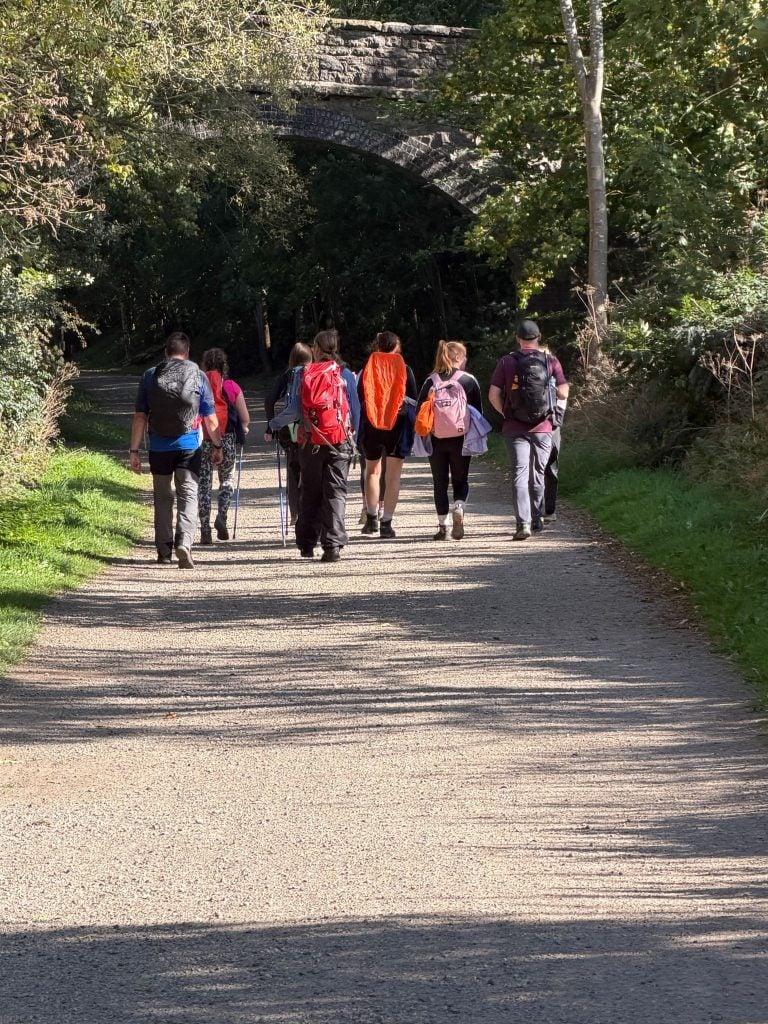
Taking part in our Staff Crew Outdoor Induction experience, once again, gave me a profound, firsthand understanding of what it truly means to be Crew. Over four days, we engaged in various shared physical and mental challenges, stepping outside our comfort zones into spaces of vulnerability, collaboration, and reflection, all while relying on the support network around us.
We tackled group tasks that demanded real teamwork and craftsmanship, where every individual’s contribution was vital to our collective well-being and growth. Whether we were navigating through unfamiliar situations, managing shared responsibilities, or confronting personal fears, we continually drew upon our Character Traits such as courage, respect, integrity, and compassion. As the quotation from Kurt Hahn below reminded us, passengers are merely catered to, but Crew are fully responsible for the entire journey together.
We are Crew, not passengers, strengthened by acts of consequential service to others.
Through structured check-ins, shared reflection, and moments of quiet solitude, I experienced how Crew creates a safe, positive environment built on trust, belonging, and accountability. Taking time to reflect away from daily routines helped me realize how these experiences build confidence, uncover hidden reserves of personal strength, and empower each person to find their voice.
Ultimately, being Crew is at the heart of our culture. It is a safe place where we support one another to climb whatever mountains lie ahead, growing as individuals while striving together as one.